Artificial Reefs
Artificial Reefs: Rebuilding Habitats and Fishing Opportunities
What Are Artificial Reefs?
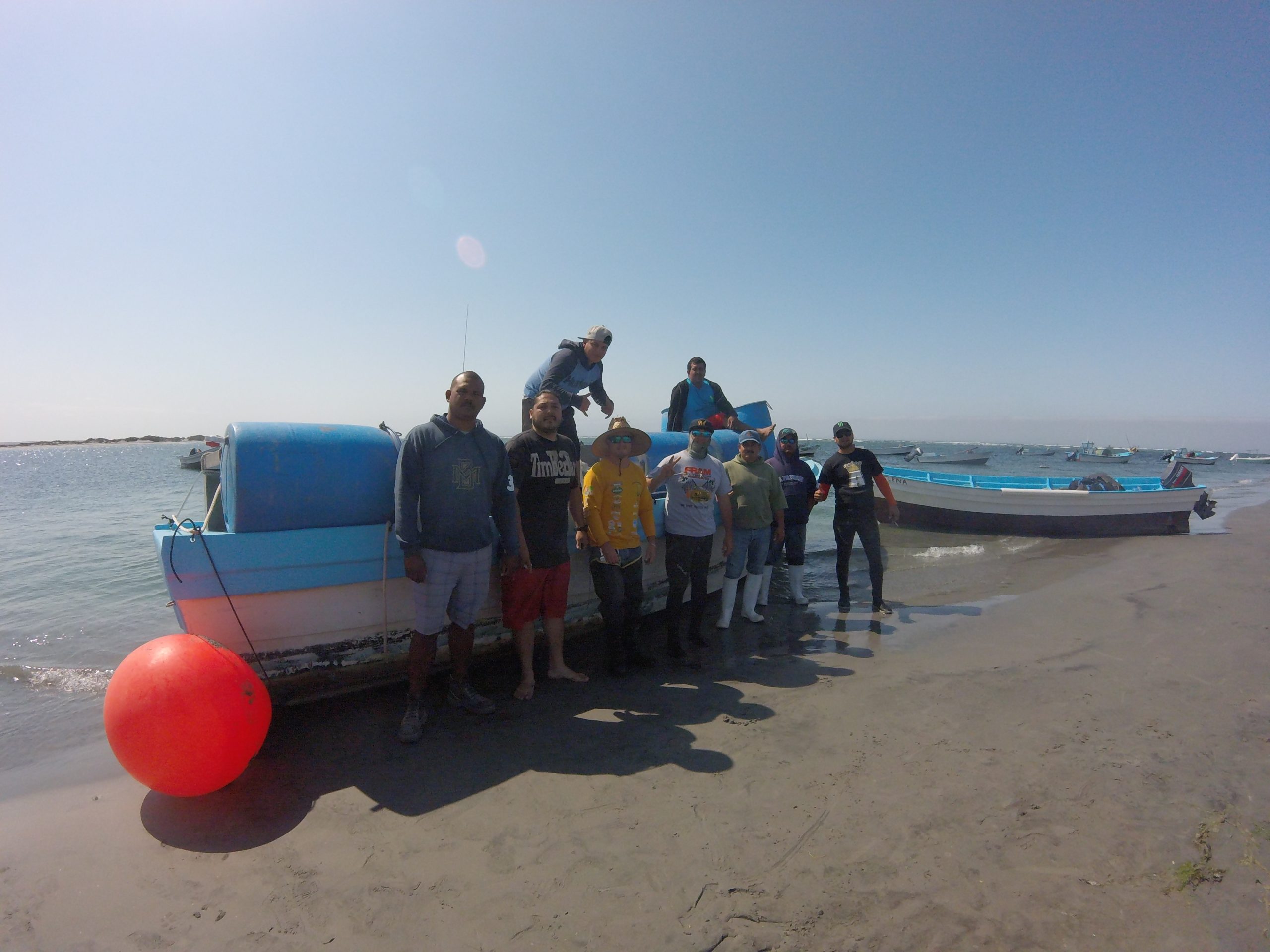
In the community of La Bocana, B.C.S., the Progreso cooperative faced a significant decline in abalone production after a massive die-off caused by natural events such as hypoxia. The lack of sufficient natural rocky areas further worsened the problem.
The solution was to install artificial reefs to repopulate the area with lab-cultured abalone, create connections between natural areas and new structures, and support the development of other species such as lobster.
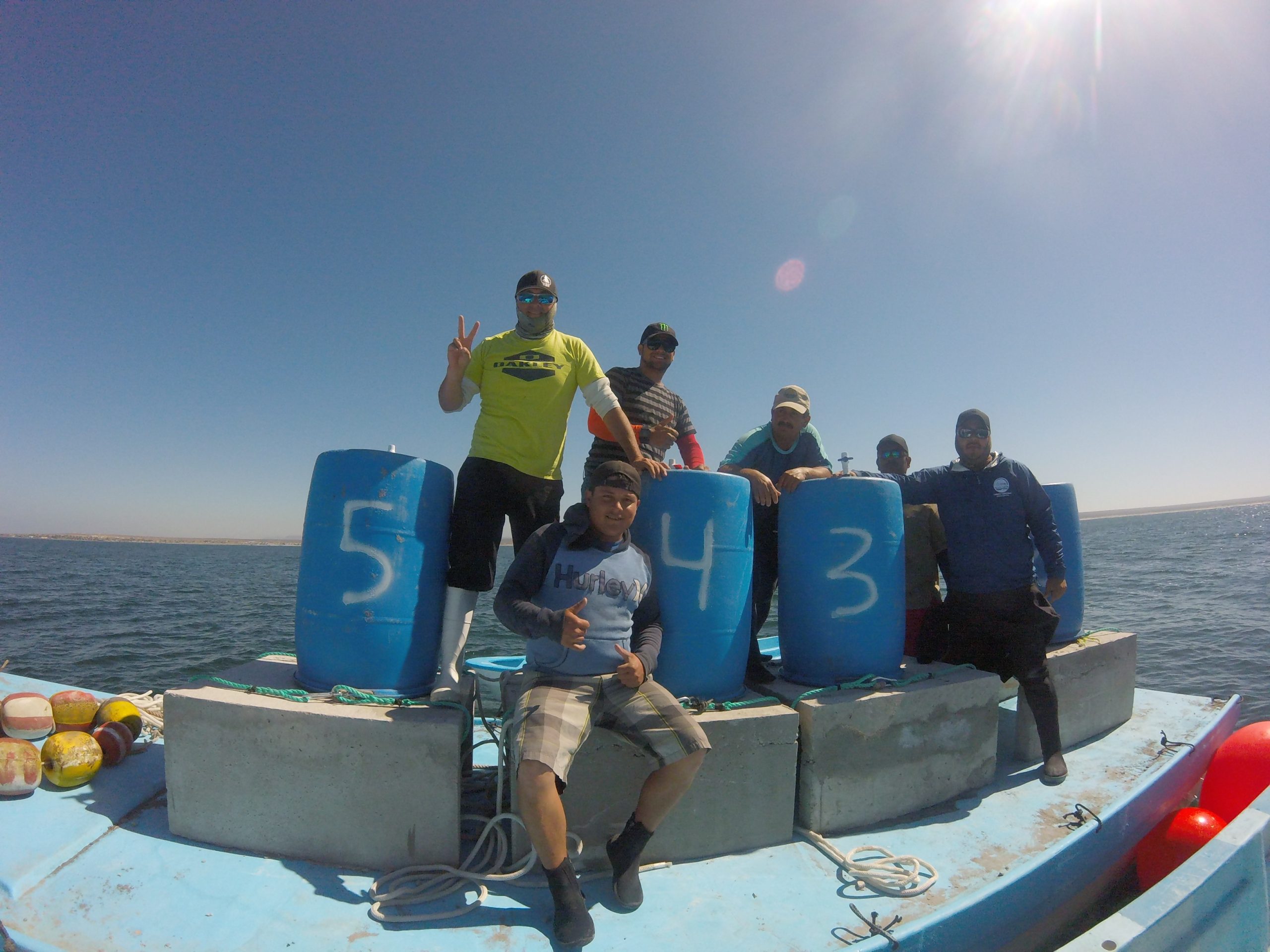
The structures were built using concrete and rubble from local snail shells, designed as pyramids with internal cages to release abalone, along with “casitas cubanas” adapted as marine shelters. This project not only restored habitats, but also generated employment and strengthened local skills in diving and ecosystem management.
What does COBI do?
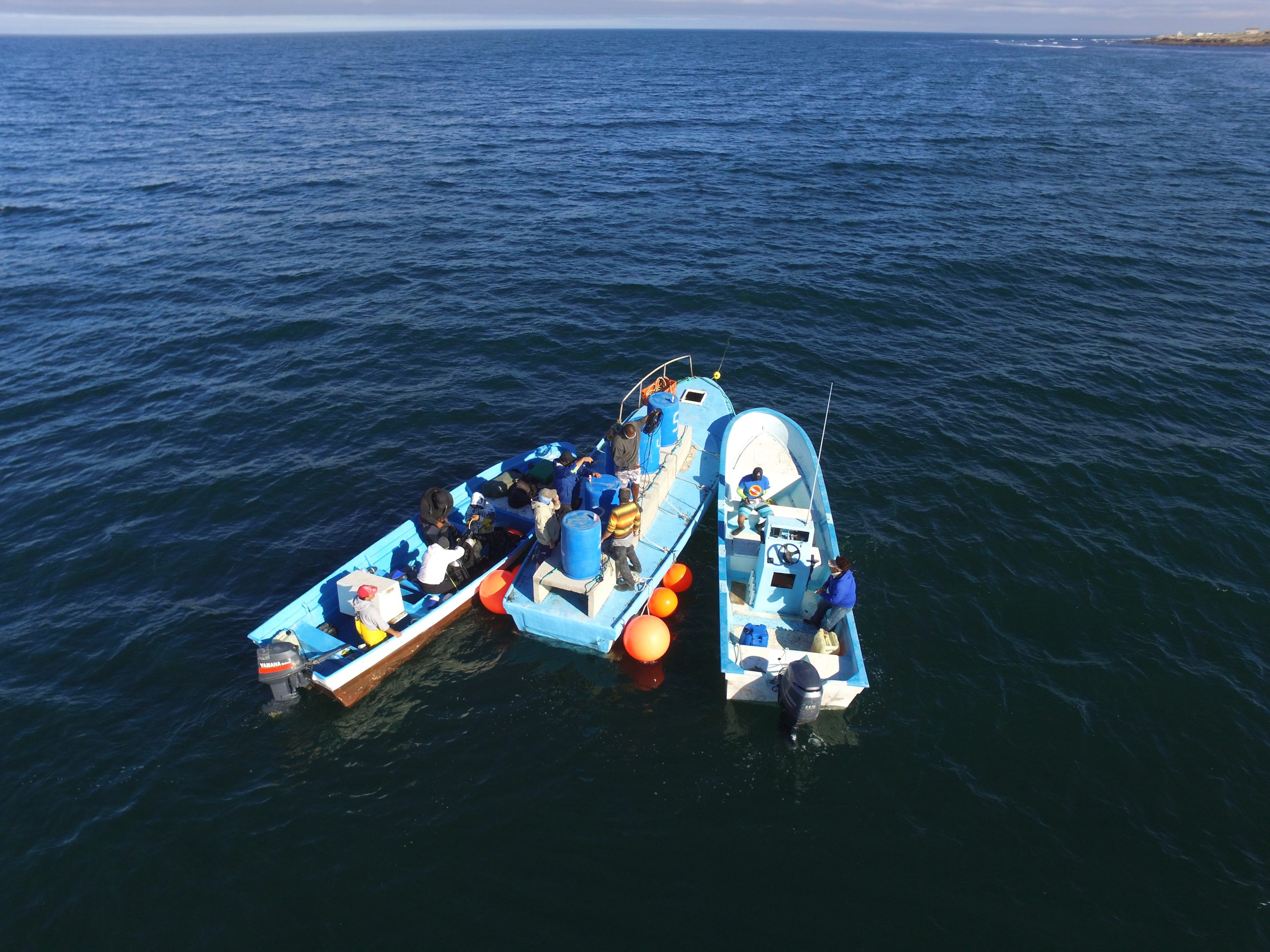
COBI participated from planning to monitoring, driving the project through:
1. Technical design and planning, connecting the cooperative with experts in artificial reefs;
2. Environmental management, preparing and funding the Environmental Impact Assessment;
3. Support in the construction of 15 pyramids and 24 casitas cubanas together with community members;
4. Training and Open Water certification for eight cooperative members to carry out underwater installation;
5. And monitoring and follow-up to evaluate the success of the repopulation effort and the health of the ecosystem.
Who Is Involved?
1. S.C.P.P. Progreso – local community and main beneficiary of the project.
2. COBI – facilitation, funding, training, and monitoring.
3. Stanford University and Dr. Laura Rogers – technical and scientific guidance.
4. Mr. Camilo Cázares (Ligüí) – expert in submerged structures.
5. Mr. Miguel Ángel Bracamontes (Ensenada Cooperative) – diving specialist.